
What are the best mosquito net clothing brands in the U.S.?
Two brands lead the U.S. market for insect-repellent clothing currently: Insect Shield, LLC and NoBu.gs Insect Repellent Clothing. Both use EPA-approved permethrin factory treatment, the only registered chemical method for treating garments against mosquitoes and ticks. The key difference comes down to wash durability, product range, and added features like sun protection.
- Insect Shield, LLC covers the whole family with treated tops, pants, hoodies, and accessories, plus a send-in program to treat your own clothes.
- NoBu.gs Insect Repellent Clothing offers odorless, lightweight apparel rated for up to 70 washes, with UPF 50+ sun protection built in.
| Brand | Insect Shield, LLC | NoBu.gs Insect Repellent Clothing |
|---|---|---|
| Protection type | Chemical (permethrin) | Chemical (permethrin) |
| EPA approval | Yes | Yes, rated to 70 washes |
| Sun protection | Not listed | UPF 50+ |
| Odorless | Not listed | Yes |
| Product range | Tops, pants, hoodies, accessories, gear treatment | Shirts, pants, travel and outdoor apparel |
| Best for | Families wanting whole-wardrobe coverage | Travelers and outdoor enthusiasts wanting sun + bug protection |
| Rating | 3.8★ (13 reviews) | 4.3★ (3 reviews) |

How do Insect Shield and NoBu.gs compare in detail?
The core technology is the same across both brands: permethrin binds to fabric fibers and repels or kills mosquitoes, ticks, and other biting insects on contact. What separates them is how far each takes the formula.
Insect Shield built its reputation on breadth. The brand offers treated apparel for women, men, and youth, plus mosquito nets, travel sheets, and permethrin spray products. Its “Insect Shield Your Clothes” program lets you mail in your own garments for treatment, which is genuinely useful if you already own gear you love. The brand is based in Greensboro, NC, and has been in the permethrin-treated clothing space long enough to have built out a full accessories line.
NoBu.gs takes a more focused approach. Its EPA-approved treatment is certified to last 70 washings, which is a concrete durability benchmark most competing brands don’t publish. The odorless fabric is a real differentiator for travelers who spend time in close quarters, and the UPF 50+ rating means the clothing pulls double duty in sunny destinations. Based in Gloucester, MA, NoBu.gs targets outdoor adventurers and frequent travelers who want one garment doing two jobs.
Unique strengths at a glance:
- Insect Shield: widest product assortment, family sizing, DIY garment treatment option
- NoBu.gs: published 70-wash durability, odorless treatment, UPF 50+ sun protection, lightweight travel focus
For families outfitting multiple people across different activities, Insect Shield’s range is hard to beat. For a solo traveler or hiker who wants a shirt that handles bugs and sun without smelling like a chemical, NoBu.gs is the stronger pick.
How does mosquito net clothing actually work?
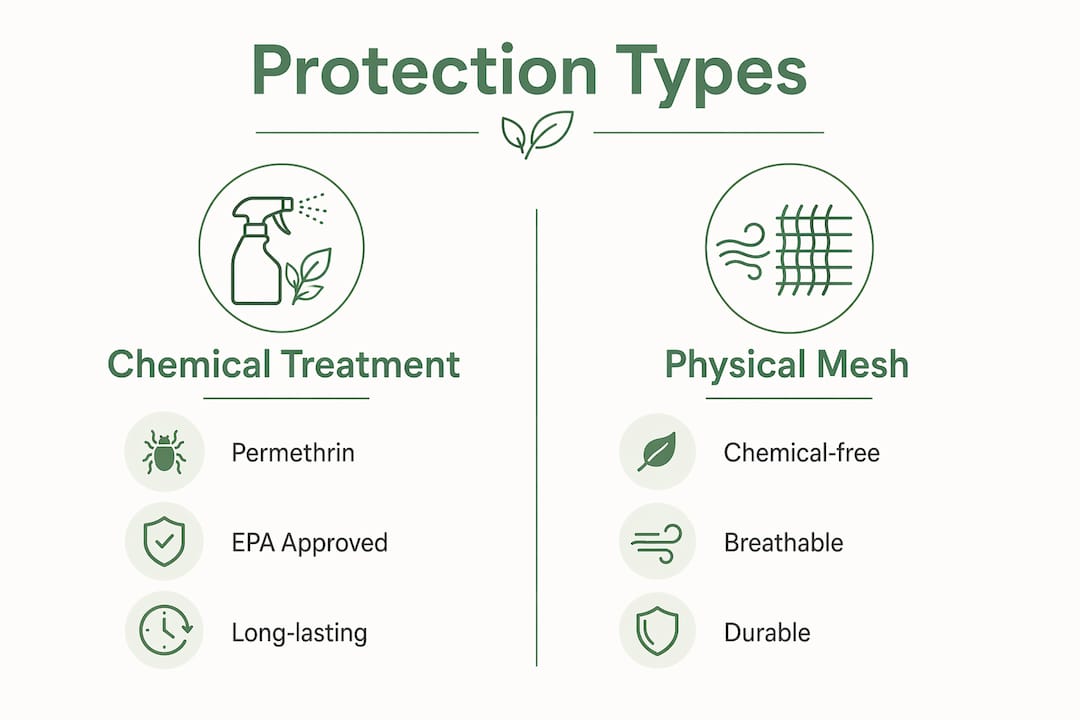
Two distinct mechanisms protect you from bites, and understanding both helps you pick the right gear.
Permethrin-treated clothing works chemically. Permethrin is the only EPA-registered insect repellent approved for factory treatment of garments. It’s a synthetic pyrethroid that targets the nervous systems of mosquitoes, ticks, and other biting insects on contact. You don’t feel it, smell it, or absorb meaningful amounts through skin. The EPA has reviewed efficacy data and confirmed that factory-treated clothing repels target pests.
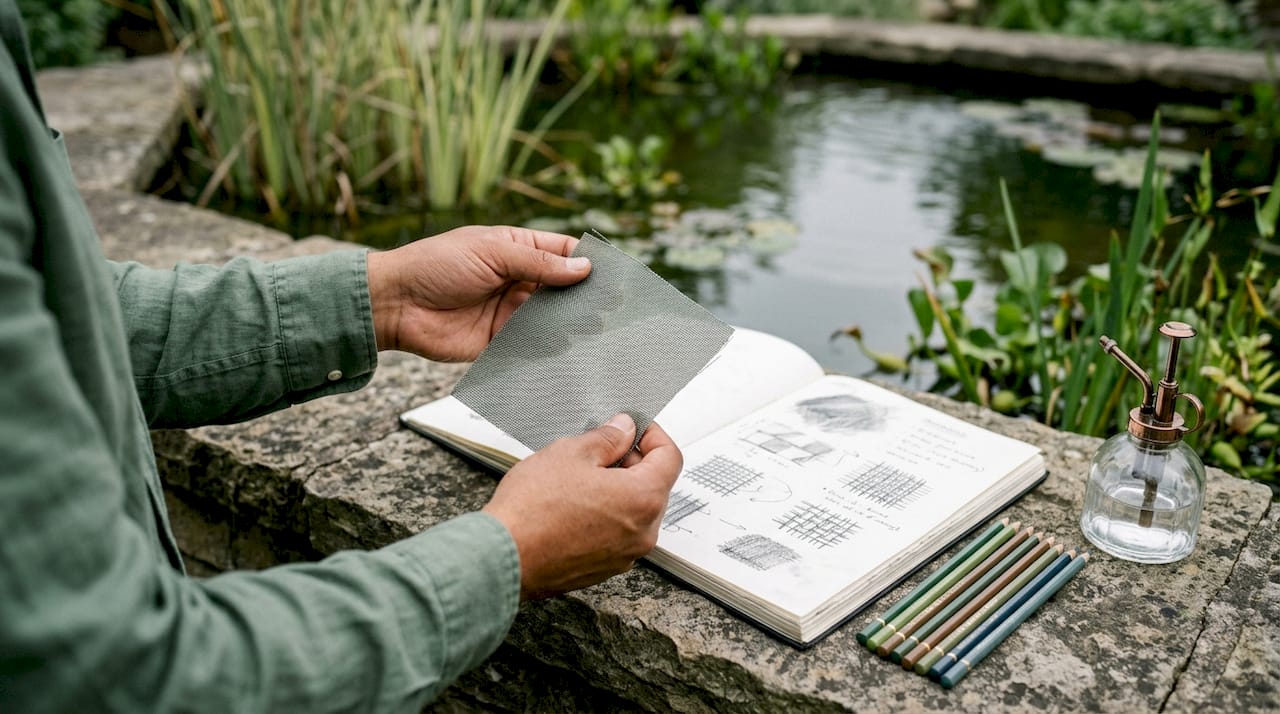
Physical mesh clothing works mechanically. Lightweight polyester mesh creates a barrier between your skin and the insect. No chemicals involved. Design details matter a lot here: elastic cuffs, integrated hoods, and loose fit close the gaps where mosquitoes would otherwise find exposed skin. Ultralight mesh jackets can weigh under 8 oz and pack into a fist-sized stuff sack, making them practical for backpackers who won’t carry extra weight.
Common fabrics and their trade-offs:
- Polyester mesh: breathable, lightweight, zero chemical load, machine washable
- Treated polyester blends: soft, moisture-wicking, effective against multiple pest species
- Treated cotton blends: more comfortable in cooler weather, heavier than synthetics
Pro Tip: Wash permethrin-treated clothing separately from untreated garments and never dry clean it. Dry cleaning solvents strip the permethrin treatment and void the repellency.
How to choose the right mosquito net clothing for your activity
The right choice depends on where you’re going, how long you’ll be out, and whether chemicals are a concern for you or your family.
Start with your environment. Dense forest trails in the Northeast during tick season call for full-body coverage with sealed cuffs and a hood. A beach walk at dusk in Florida needs lighter protection. High-risk areas, like marshes or jungle trails, warrant layering a treated shirt under a mesh jacket for maximum coverage.
Consider your sensitivity. Permethrin-treated clothing is safe for most adults and children, but outdoor enthusiasts who are chemically sensitive, pregnant, or outfitting very young children often prefer physical mesh as a precaution. Mesh garments can dramatically reduce the need for topical sprays when they include full-body coverage with hoods and elasticized cuffs.
Key criteria to weigh:
- EPA approval and wash durability for any chemically treated option
- UPF rating if sun exposure is part of your activity
- Weight and packability for hiking or travel
- Sizing range if you’re outfitting kids as well as adults
- Odorless treatment for travel or shared spaces
Pro Tip: In high-mosquito environments like wetlands or tropical destinations, combine a permethrin-treated base layer with a physical mesh overshirt. You get chemical repellency close to the skin and a mechanical barrier on top, which is more reliable than either method alone.
Why chemical-free mesh clothing is worth considering
Not every outdoor enthusiast wants to wear a chemically treated garment, and that’s a legitimate position. Families with young children, people with chemical sensitivities, and anyone who prefers to keep their gear free of insecticides have a real alternative in physical mesh clothing.
Bugawaygear builds its entire line around this premise. The brand’s tick-proof mesh clothing uses ultra-fine breathable mesh to physically block insects without any chemical treatment. Sizes cover men, women, and kids, and the design includes integrated foot coverage, a detail that matters for hikers who know ticks climb from the ground up. The materials are eco-responsible, and the brand reports over 500 customers who experienced zero tick bites while wearing their products.
Product highlights:
- 100% chemical-free, no permethrin or other insecticides
- Lightweight breathable mesh for comfort in warm weather
- Sizes for men, women, and children
- Integrated foot coverage for ground-up tick protection
- Eco-responsible materials
- 30-day money-back guarantee
This approach suits hikers, gardeners, and families who spend hours outdoors and want protection they can feel good about putting on their kids. If you’re also concerned about what’s in the products you use after a bite, it’s worth reading up on harmful chemicals in bug bite products before you stock your first-aid kit.
Bugawaygear offers a chemical-free path to full insect protection
The brands compared above rely on permethrin treatment to do their job. Bugawaygear takes a different route entirely, and for a specific group of outdoor enthusiasts, it’s the better fit.

If you’re chemically sensitive, outfitting kids, or simply done with the question of what’s soaking into your skin on a long hike, Bugawaygear’s mesh clothing gives you a physical barrier that works without any of that. The tick-proof outdoor clothing covers the whole body, packs light, and comes with a 30-day money-back guarantee. No sprays, no treated fibers, no trade-offs on breathability. For gardeners, families, and hikers who want to stay outside longer without reaching for a chemical solution, it’s a straightforward answer.
Key Takeaways
Physical mesh and permethrin-treated clothing each deliver real mosquito protection, and the best choice depends on your sensitivity, activity, and how long you need the garment to last.
| Point | Details |
|---|---|
| Two protection methods | Permethrin-treated clothing works chemically; physical mesh clothing creates a mechanical barrier with no chemicals. |
| EPA approval matters | Look for EPA-approved permethrin treatment and a published wash durability rating, like NoBu.gs’s 70-wash certification. |
| Fabric and fit details | Elastic cuffs, integrated hoods, and loose fit close the gaps that let mosquitoes reach skin in mesh garments. |
| Layering for high-risk areas | Combining a treated base layer with a mesh overshirt gives stronger protection in wetlands or tropical environments. |
| Bugawaygear for chemical-free protection | Bugawaygear’s 100% chemical-free mesh clothing suits families, chemically sensitive users, and eco-conscious hikers. |